


Visit Ara Manzanillo ~ make a reservation
Background
The foundation for Ara Manzanillo began over 35 years before what you see today, through thanks to the efforts of Margot and Richard Frisius. In Rio Segundo de Alajuela, Costa Rica, the couple established a parrot conservation center, Amigos de los Aves, to combat the alarming decline of Costa Rica's magnificent birds.
Over time, many confiscated Macaws were donated to the center by Costa Rican Ministry of the Environment (MINAE) as well as private donors. The Macaws were rehabilitated and given the opportunity to socialize, fly, and breed - with the hopes their offspring could someday fly free in the wild.
After the founders passed away in the late 2000s, the birds were placed in the care and custody of the Beruite family. In tandem with other collaborators, The Ara Project began.
Ara Manzanillo was legally established as Asociación El Proyecto Ara - an official non-governmental association, in February 2012.
Selecting the Reintroduction Location
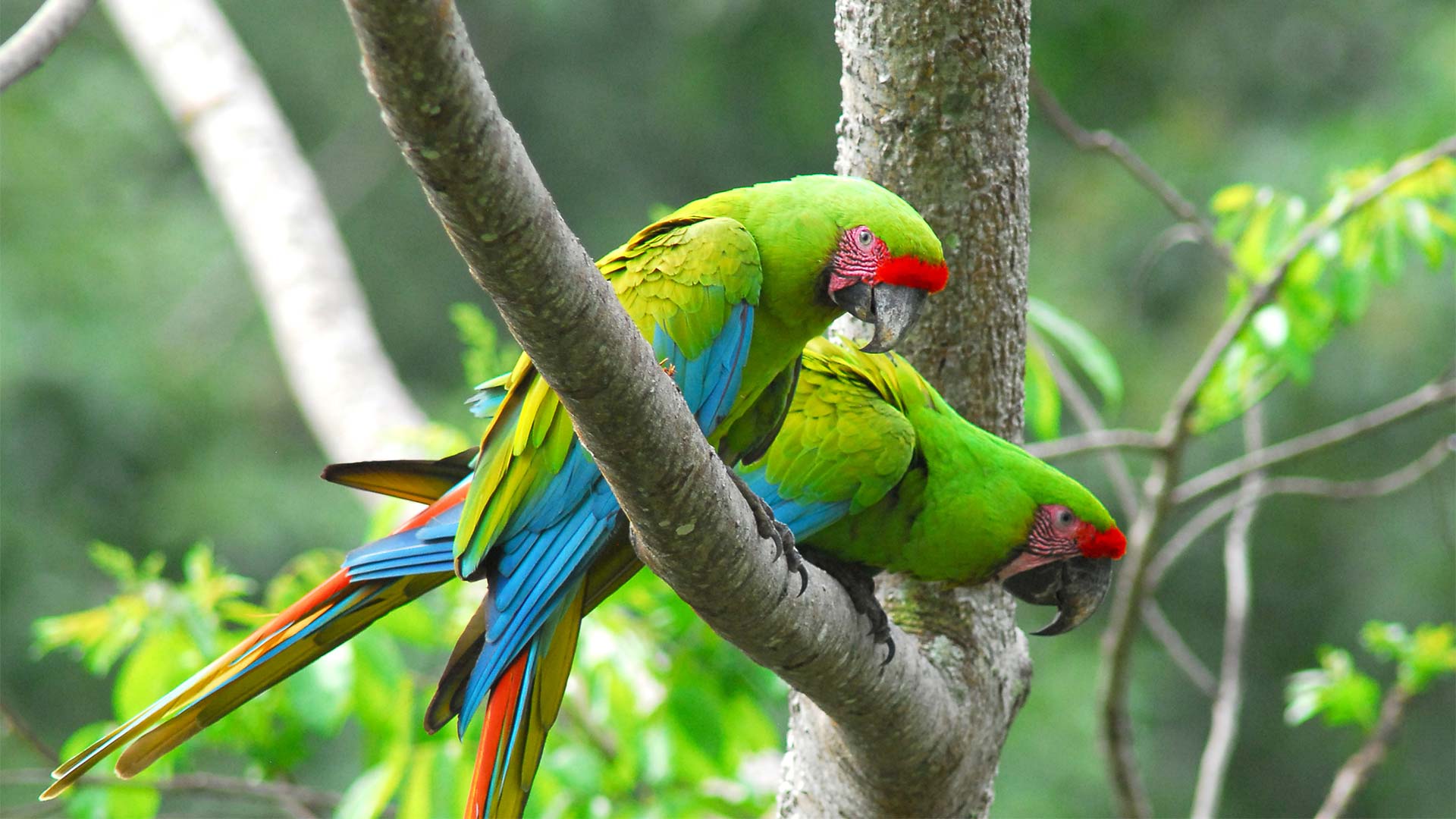
Ara Manzanillo's objective is to establish a self-sustainable population in the region. This group could eventually link up with the remaining wild populations of Great Greens of northern Costa Rica and the wild population of central and northern Panama.
In 2010, The Ara Project initiated a Great Green Macaw reintroduction project in the Southern Caribbean region of Costa Rica, near Manzanillo. The Ara Project represented the first time, to our knowledge, that the Great Green Macaw species were reintroduced into the wild - anywhere in the world.
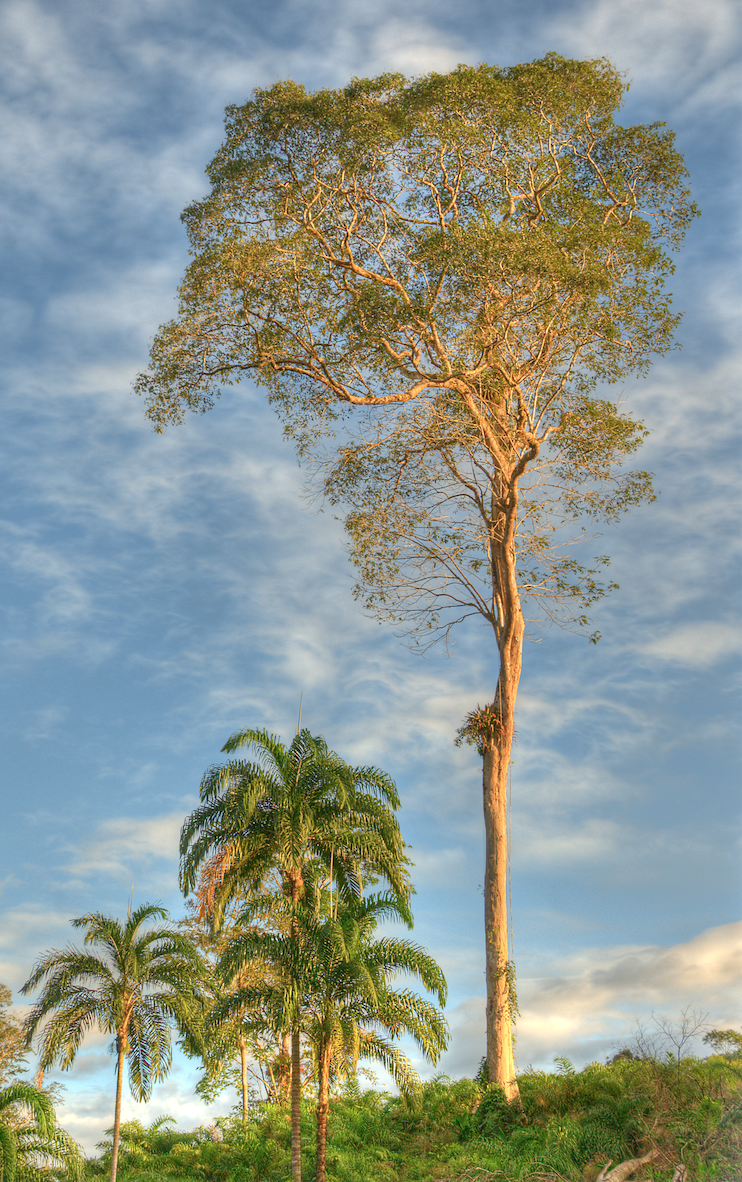
The South Caribbean of Costa Rica was selected mainly because of the regions extraordinary natural habitat protected by the Gandoca-Manzanillo National Wildlife Refuge . The county of Talamanca has 88% of its territory under some category of environmental protection, supplying abundant food for the macaws.
Another important reason for selecting this area is that historically Great Greens were endemic in this region - but became virtually extinct. The project has the decisive support of local property owners, the tourism sector, the public education system, local authorities including the Costa Rican Ministry of the Environment, as well as other authorities and community groups, who are committed to overcome the threats that brought the past extinction of these emblematic birds.
The Ara Project has developed an integrative community outreach program that constantly reinforces local support. The project has become a well-established conservation NGO in the region with strong and varied alliances.
Reintroducing a Wild Population
Between 2010 and 2013, forty-five young Great Green Macaws were brought from The Ara Project's breeding center in Alajuela to the Manzanillo release site .
After a careful and gradual adaption process, the Macaws acclimated to the new environment and were released to fly free in their new habitat.
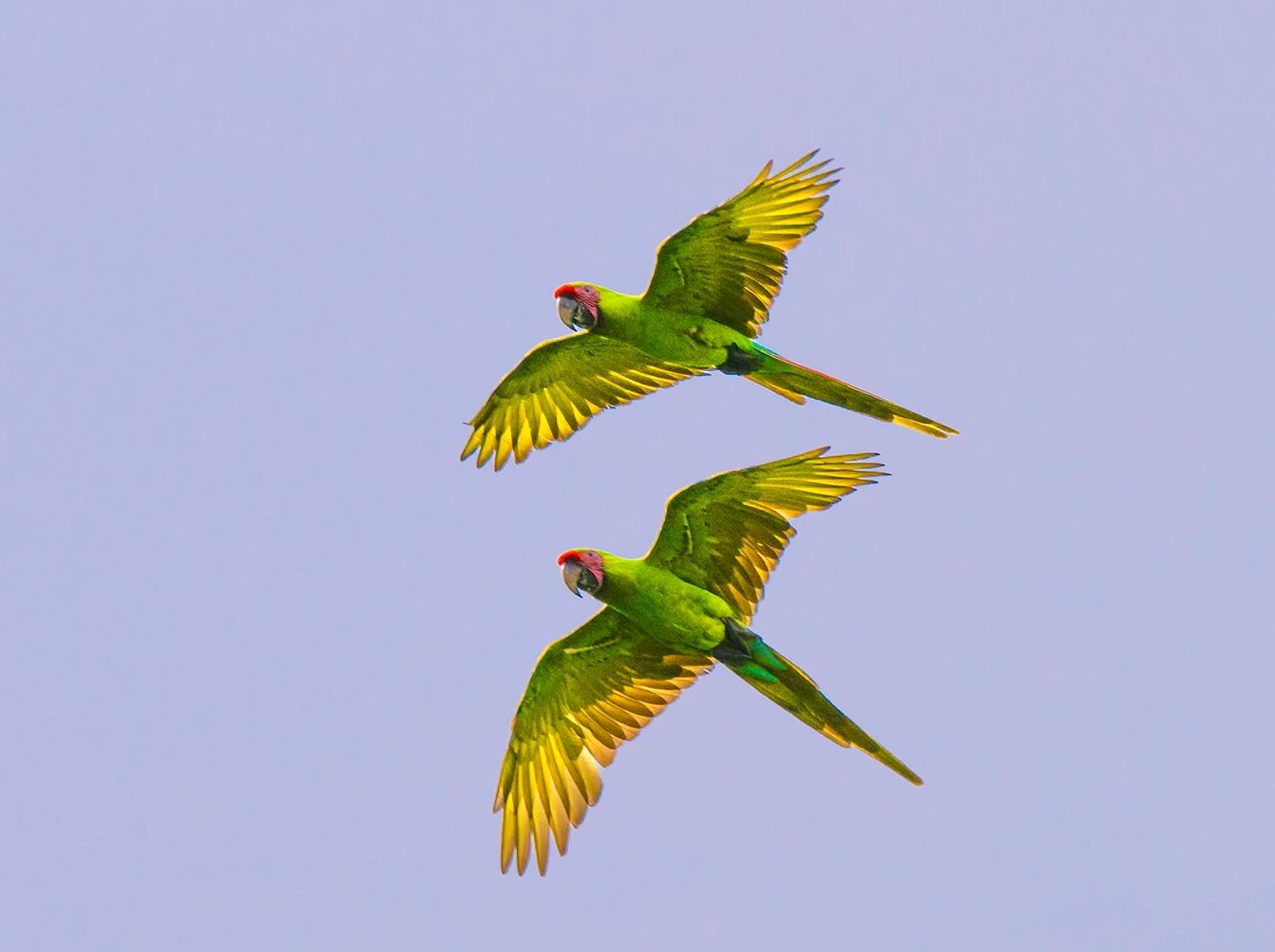
Twenty to thirty birds from the original release visited the release station daily for supplemental feeding and to socialize with the other Great Green subgroups. Ten or so released birds dispersed into the greater 50-kilometer radius, in which we frequently received reports of sightings from our network of community supporters. Out of the forty-five, five birds were been confirmed dead from the release process.
Assisted Nesting in the Wild
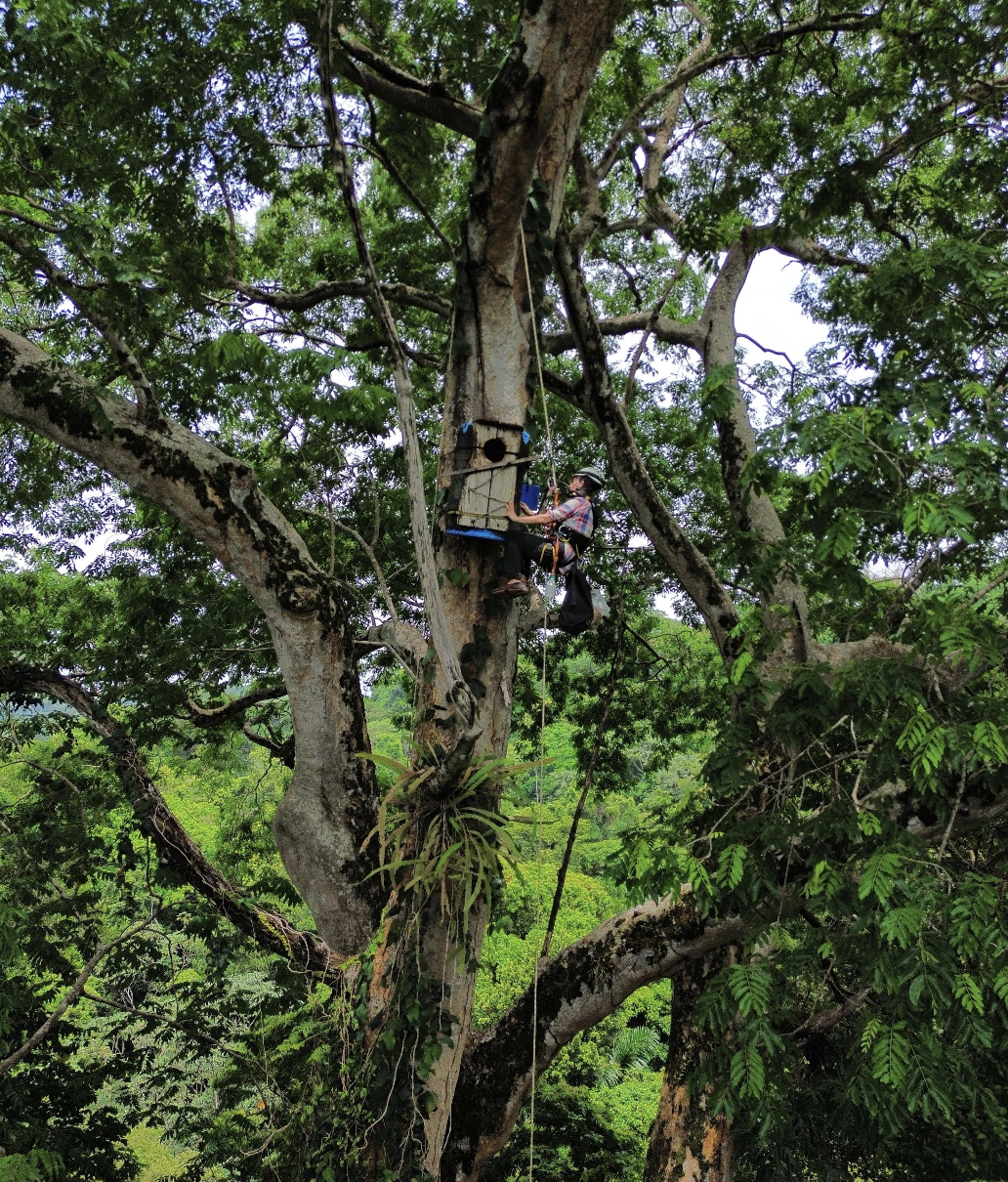
In 2015, Ara Manzanillo received a small grant to initiate an artificial nesting program to facilitate the reproduction in the wild of the released Macaws. The program initiated for the 2016 breeding season. Five nest boxes were specifically designed to attract Great Greens, and installed high in the trees.
As of 2026, Ara Manzanillo has 28 artificial nests installed and monitored yearly. Over 100 new Great Green Macaw chicks have survived and joined the free flying population. Each year we have learned and improved the nest design and monitoring process.
What started as an experimental release station in the South Caribbean region of Costa Rica has transformed the future for the Great Green Macaw population.
Sixteen years of consistent dedication from many volunteers and a small core of committed staff, and guidance for technical support from global parrot experts, Ara Manzanillo has developed into a well-established, successful project.
Our staff of young local Talamancan's are well versed and trained in bird husbandry and wildlife monitoring, forestry and tree climbing, as well as community outreach, tourism and public relations activities. The initial objective of establishing a self-sustaining population of Great Green Macaws in this region is well underway to being fulfilled.
Sustainability
