

News Letter June 2025
June 9, 2025
Volunteer Blog: Kristen
July 8, 2026Hi, my name is Bella and I'd love to share the incredible privilege and life-changing experience I had as a volunteer at Ara Manzanillo.
I recently graduated with a BS in Ecology and Evolution December 2024 and was eager to challenge myself and experience something new. That's when I stumbled across a posting for Ara Manzanillo. As someone looking to work in endangered species reintroduction and conservation, I knew this was an opportunity I couldn’t pass up.
That said, it was my first time leaving the U.S., and I was terrified. I worried about everything: what to pack, traveling from San Jose to the station, being completely alone in a new place where I knew no one. I’ll never forget arriving at the motel in San Jose the night before my bus ride to Puerto Viejo, calling my fiancé in tears, convinced I had made a huge mistake. I felt overwhelmed and underprepared. After a night’s sleep, everything wasn't so bad - things were a lot less scary during the day. I had breakfast, boarded the bus, and began the journey to what would be my home for the next three months.
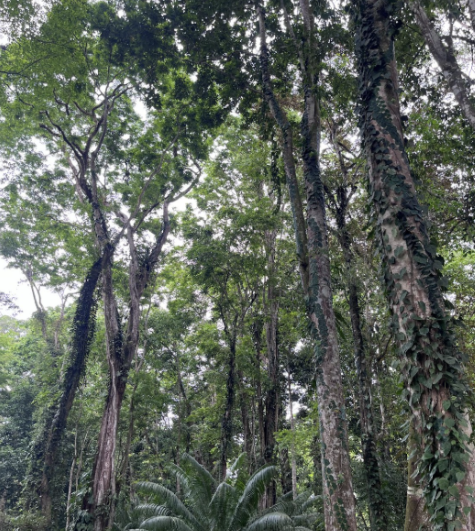
On that bus ride, I watched the landscape change from busy city streets to lush jungle, and my nerves slowly turned to excitement. By the time I arrived in Puerto Viejo, the nearest town to the station, i was already in awe of the tropical flora, fauna, and breathtaking scenery. But nothing compared to the beauty of the station itself. Walking up the trail and hearing the sounds of insects, birds, and monkeys made everything feel real. I couldn’t believe I was there.

That’s when I learned I’d be living alone at the station for the first week and a half. Surprisingly, that didn't scare me as much as being alone in the city had. I knew I would be okay. Erin and the rest of the team made sure I had everything I would need, including emergency contacts, and day-to-day support from Duaro and Marcelo, who would be at the station during the day. Those first ten days alone turned out to be a gift. My confidence and independence grew. I adjusted faster than I could’ve imagined. The first few nights I jumped at every sound. Slowly but surely, I adjusted. I passed my time reading in the hammock until dark, walking the trails, or just sitting on the terrace soaking in the natural beauty all around me. And just like that, the quiet days were over and the station began to fill with people.
I had the privilege of being at the station when Thomas and Selena, two researchers studying bioacoustics, arrived. It was such a fascinating opportunity to observe their process and see them collaborate with the biologists at Ara. Their work offered a unique perspective on how different fields contribute to conservation.
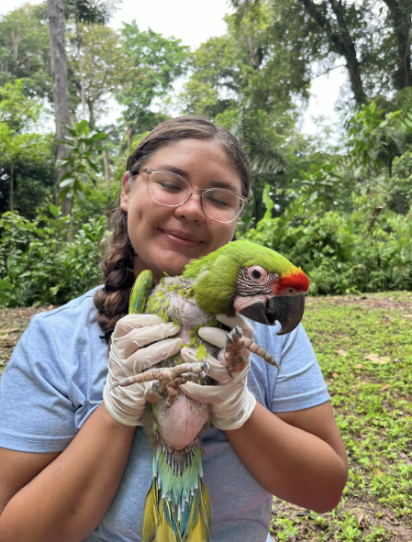
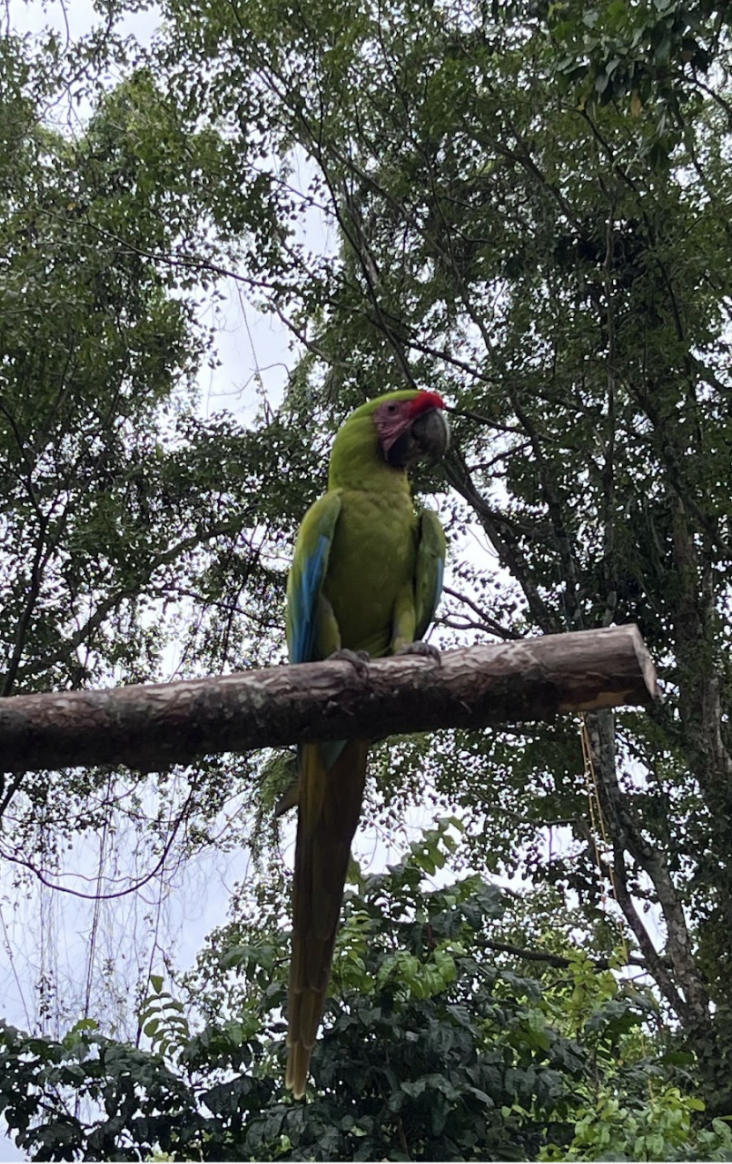
At that time, we had the exciting opportunity to release two rehabilitated birds, Josef and Gus, who had been injured as chicks. That day was a whirlwind of activity. Everyone was focused on tracking the birds, making sure they stayed safe and had a good start to their life in the wild. The first few days after their release were nerve-wracking, we didn't see them, and there was concern for their wellbeing. Luckily, the other birds showed them where to go, and during one of the feedings, they showed up. From that point on, they became regular visitors, and it was incredibly rewarding to see them thriving. If you’ve never spent much time observing birds, it’s easy to miss how expressive and full of personality they can be. Josef and Gus were overflowing with character, playful, curious, and just a little mischievous. While the Ara team had done an incredible job preparing them for release, nothing quite compares to the unpredictability of the wild. Watching them figure things out, step by step, was both heartwarming and hilarious endearing.
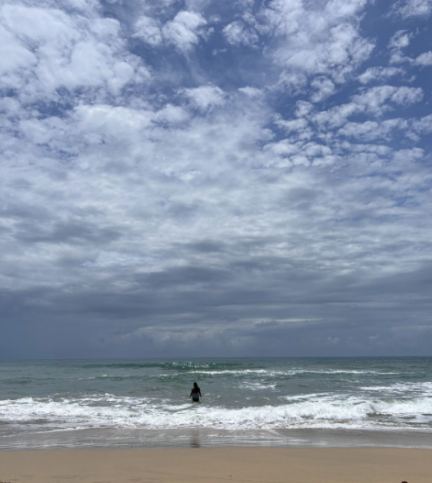
I miss the kind, passionate people I met, the beautiful beaches, and the symphony of jungle sounds that became the soundtrack to my life there. I hope one day to return, and until then, I'll carry this experience with me into every step of my journey in the field of conservation.